Articles
Understanding Greywater Systems; A Sustainable Water Solution
Mar 11, 2026
As water conservation becomes increasingly important, greywater systems are gaining popularity as an eco-friendly way to reuse household water. They are already very popular in RV water systems. But what exactly is greywater, and how can it be used safely and effectively? In this guide, we’ll explore greywater systems and answer common questions about their usage.
What is a Greywater System?
A greywater system is designed to collect, filter, and distribute gently used water from household sources such as sinks, showers, bathtubs, and washing machines. Unlike blackwater, which comes from toilets and contains sewage, greywater is relatively clean and can be repurposed for irrigation, toilet flushing, and other non-potable applications.
Greywater systems help reduce freshwater consumption, lower utility bills, and minimize wastewater discharge, making them a sustainable option for homeowners.
A greywater tank is used to collect and store greywater before it is reused or dispersed. These tanks can be part of a filtration system that removes debris and contaminants, ensuring the water is safe for irrigation or other permitted uses. Some greywater tanks come equipped with pumps to facilitate distribution to gardens or toilet systems.
How Often Do You Empty a Greywater Tank?
Unlike septic tanks, greywater tanks do not store water long-term. They are designed for short-term holding before the water is used or filtered out. If the system is properly designed and maintained, the tank will not need frequent emptying, as greywater should ideally be used or absorbed within 24 hours to prevent odors and bacterial growth.
What Can’t Greywater Be Used For?
While greywater is a valuable resource, there are limitations to its use. Greywater should not be used for:
Drinking or cooking
Washing dishes or laundry
Watering edible plants (unless applied safely through subsurface irrigation)
Any use that involves direct human contact without proper filtration
Can You Use Greywater to Flush Toilets?
Yes! One of the most efficient ways to repurpose greywater is by using it to flush toilets. Some systems are designed to automatically divert greywater to toilet tanks, reducing the amount of potable water needed for flushing.
Can You Put Greywater on the Ground?
Greywater can be safely used for landscape irrigation if it is properly distributed through a drip or subsurface irrigation system. However, it should not be dumped on the ground surface, as it may attract pests, cause pooling, or create unpleasant odors. Some jurisdictions have specific regulations regarding greywater disposal, so it’s essential to check local guidelines.
Greywater treated by a salt-based water softener is not suitable for reuse outside because it contains high levels of salt. Salt can harm plants and soil.
Can I Use Greywater If I Have a Water Softener?
Using greywater from a water softener can be tricky. Softened water contains high levels of sodium, which can harm soil and plants if used for irrigation. If you have a water softener, consider installing a bypass system to prevent excessive salt levels in your greywater.
Salt-based softeners are banned in many areas of California. Salt-free water softeners are generally legal in California and other areas. It is best to research you state's requirements!
Water softeners are legal in Canada. "Because water softening by sodium ion exchange may introduce undesirably high quantities of sodium into drinking water, it is recommended that where such a process is employed, a separate unsoftened supply be retained for drinking and culinary purposes."
The Hardness NG Store offers a salt-free water softener safe for greywater systems. The mesh filter removes debris, while the cartridge tackles hardness, chlorine, sediment, iron, and more and is big enough to soften the water of your whole house.
What is a Laundry-to-Landscape System? Will It Hurt My Washing Machine?
A laundry-to-landscape (L2L) system is a simple, cost-effective greywater solution that diverts water from your washing machine directly to your outdoor landscape. These systems typically do not require filters, pumps, or storage tanks, making them easy to install and maintain.
L2L systems do not harm washing machines because they operate as an external drainage option rather than altering the internal mechanisms of the appliance. However, it’s important to use biodegradable, plant-friendly detergents to avoid harming soil and plants.
How to Use the PTLevel in a Greywater System
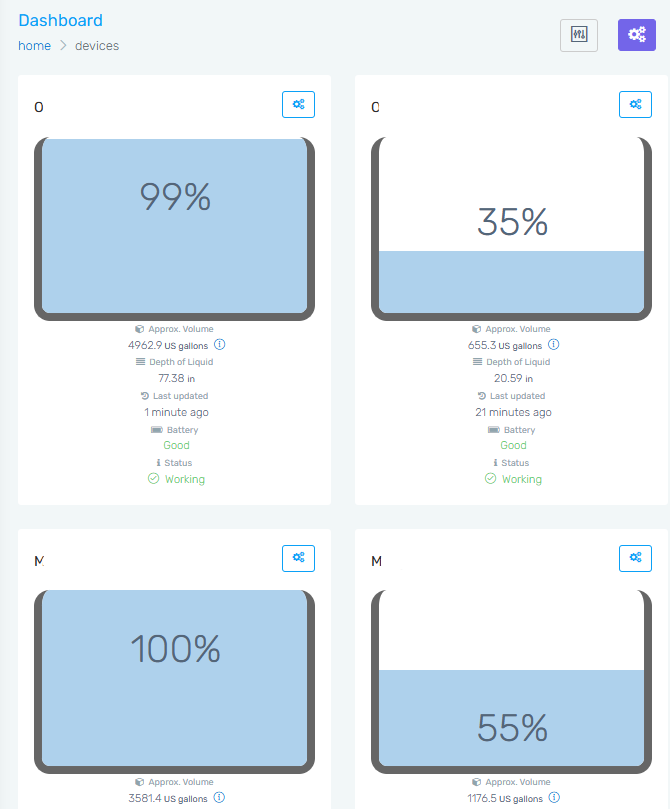
The PTLevel is a valuable tool for monitoring water levels in greywater tanks, ensuring efficient usage and preventing overflow or stagnation. By installing a PTLevel in your greywater system, you can:
Monitor water levels remotely to ensure the tank is neither too full nor too empty.
Receive alerts when water reaches critical levels, preventing overflow or insufficient supply.
Optimize greywater usage by tracking consumption patterns and adjusting irrigation or flushing schedules accordingly.
Improve system maintenance by identifying potential clogs or leaks before they become major issues.
Greywater Tank Monitoring System
Monitor water, chemicals, and any consistent density liquid.
Tanks as small at 18″ deep, or as large at 18′.
With its wireless connectivity and real-time monitoring capabilities, the PTLevel is an excellent addition to any greywater system, helping homeowners and businesses manage their water resources more effectively.
Simply connect your PTLevel to your WiFi, lower the pressure chamber into the tank, and start receiving your data! Don't forget to update your tank depth settings, calibrate if desired, and adjust your reporting settings (if you select a battery-powered PTLevel).
Greywater Systems in RVs and Houses
Household and RV greywater systems serve the same general purpose; reusing wastewater from sinks, showers, and laundry to reduce water waste, but they differ in design, complexity, and application due to space, plumbing, and regulatory considerations.
Greywater Systems in Houses
Permanent Plumbing Integration – Residential greywater systems are often built into the home’s plumbing, directing wastewater from sinks, showers, and washing machines to specific reuse applications.
Filtration & Treatment – Some homes have filtration systems to remove debris and bacteria, making the water safer for irrigation. More advanced systems use biological filters or UV treatment for indoor reuse (e.g., toilet flushing).
Landscape Irrigation – Most common use; greywater is diverted to garden irrigation, underground drip systems, or constructed wetlands.
Legal Considerations – Many areas require permits, with restrictions on soap types, storage time, and treatment methods.
Greywater Systems in RVs
Greywater Holding Tanks – RVs typically have a dedicated greywater tank to store wastewater from sinks and showers, which must be emptied at dump stations.
Basic Filtration (Optional) – Some RV owners add mesh filters or homemade systems to remove large particles before disposal or limited reuse.
Limited Reuse – Greywater in RVs is usually not directly reused, but some off-grid travelers use it for flushing toilets or minimal irrigation (where permitted).
Drainage Regulations – Many campgrounds and public lands prohibit direct greywater dumping, requiring responsible disposal.
Final Grey Water Thoughts
Greywater systems offer an excellent way to conserve water and reduce environmental impact. Whether you’re looking to install a full greywater filtration system or a simple laundry-to-landscape setup, understanding the proper usage and regulations will help you maximize the benefits while maintaining safety and efficiency.