
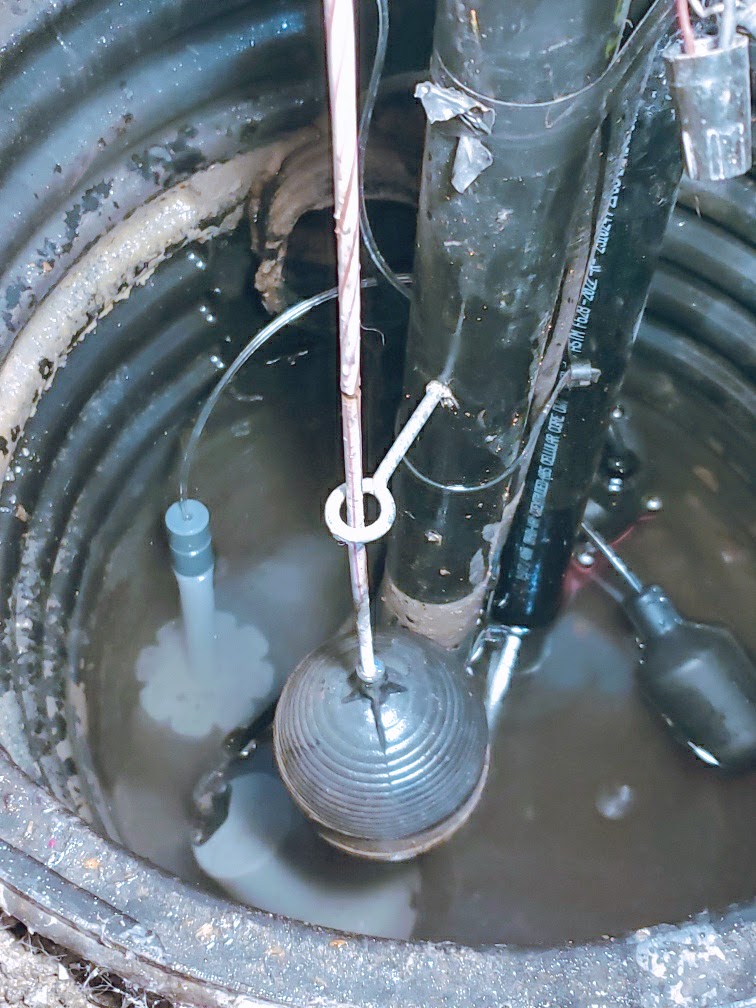
The Ultimate Guide to Basement Sumps
A sump pump collects and removes excess water in a basement, typically from groundwater or rainfall. It is a crucial piece of equipment to prevent basement flooding. A basement sump is usually located at the lowest point in the basement and along a foundation wall. A sump pump system is a crucial piece of equipment for preventing basement flooding. The system usually includes a sump pit, a sump pump, and a discharge line equipped with a check valve to prevent backflow.
Topics in our Ultimate Basement Sump Guide


Case Study – Basement Sump Alert
Although the PTLevel was originally invented because of the need for better water delivery management, our ParemTech Team has benefited the most from basement sump monitoring with the PTLevel! In June of 2025, one of the bosses (Mike) received an email while out fishing; “Device Alert – Your level, Basement Sump, has gone below your set point of 20%”.
Thinking back on the day, Mike remembered he had been working near the sump earlier. Sure enough when he got home, he immediately checked the sump and found the had unknowingly bumped the float so it got stuck. This caused the sump pump to continue running even though there was no water. Without the alert from the PTLevel, the pump could have been running for hours longer causing damage to the pump or even overheating the pump.


Introduction: What is a Basement Sump?
A basement sump is a pit or basin located at the lowest point of a basement or crawlspace. It’s designed to collect water—typically from drainage systems or natural groundwater that seeps in during wet weather or snowmelt. The water collects in the sump pit and is then pumped out and safely away from the home using a sump pump.
How a Sump System Works
A properly functioning sump system acts as your home’s first line of defense against basement water intrusion, helping protect both your property and your peace of mind.
Key Components of a Sump Pump System

Sump Pit
Also known as a basin, the sump pit is a constructed hole dug in the lowest part of your basement floor. It collects water from your perimeter drains, natural seepage through the foundation, or surface water and spills.

Sump Pump
The electric pump sits in the pit and removes the water once it reaches a certain level, pumping it away from your home. Often the level is triggered by a float.

A one-way valve installed on a discharge pipe. It stops water from back flowing into the sump pit after it’s been pumped out. Although the check valve isn’t required, it’s highly recommended to have one so the pumping is more efficient.

Discharge Pipe
A discharge pipe carries the water away from your foundation, ideally at least 20 feet away to prevent it from seeping back towards the basement.
How Water Enters a Sump Pit
Water can get into a sump pit in a few ways:
– Drain Tile Systems: A system of perforated pipes installed around the foundation of the house collects water and then channels it into the pit
– Natural Seepage: Groundwater or rainwater that penetrates the foundation walls or comes up through the floor will find its way into the sump pit due to gravity
– Basement Floor Sloping: Concrete floors are often sloped, very subtly, to guide the water to the sump pit
How the Sump Pump Activates
Almost all sump pumps are controlled by a float switch. A float switch is a device that rises and falls with the water level. Most floats look like a balloon or cylinder made of hard plastic and are attached to the pump via a metal rod. When the water rises and lifts the float, it turns the pump on. When the pump draws enough water out of the sump pit, the float lowers with the water level, and the lowered float will trigger the pump to turn off. The pump draws the water out of the pit via the discharge pipe and out of the home.
Types of Sump Pumps
Not all sump pumps are created equal. There are several types designed to suit different basements, budgets, and levels of water risk. The most common types of sump pumps are:
Submersible vs Pedestal Sump Pumps
Submersible Sump Pumps:
Submersible pumps sit inside the sump pit and are fully submerged in water when operating. They are generally quieter, more powerful, and better for homes with higher volumes of water. Submersible pumps have a sealed design which helps protect the motor from debris, but they can be more expensive and harder to access for maintenance.
Pedestal Sump Pumps
With pedestal sump pump systems the motor is mounted above the sump pit, with a hose or pipe extending down into the water. Pedestal sump pumps are typically less expensive and easier to service; however, they’re louder, more exposed to potential damage, and not ideal for pits with limited space or higher water flow.
Battery Backup Systems
A sump pump is only as reliable as its power source. If the electricity goes out during a storm, a battery backup system kicks in and keeps your pump working. These systems are essential for homes in flood-prone or storm-prone areas, offering peace of mind during outages.
Smart Sump Pump Monitoring
Smart monitoring tools can alert you to potential issues before they become disasters, like a failing pump or rising water levels. Devices like the PTLevel offer real-time monitoring and alerts when water levels get too high or your pump isn’t performing properly. We’ll cover this in detail later in the guide, but just know: a smart system adds a whole new layer of protection. Some insurance companies even offer a discount if your basement is monitoring by a smart sump pump system.
Smart Sump Monitoring and Alerts
You’ve installed a sump pump, maybe even a backup system. But here’s the truth: you still might not know when something goes wrong until it’s too late.
Sump pump failure can happen suddenly, and often when your home is most vulnerable: during power outages, storms, or spring melt. That’s where smart sump monitoring makes all the difference. It’s not just a luxury anymore, it’s an essential layer of protection.
Why Smart Sump Pump Monitoring Matters
Most people only check their sump pump after a storm, or worse, after their basement is already wet. But water problems can happen quickly and silently, especially during:
– power outages
– mechanical pump failures
– frozen or clogged discharge lines
– stuck float switches
– a pump that cycles continuously leading to pump burnout
A traditional system gives you no heads-up. A smart system gives you time to act. Without feedback or alerts, you might not discover a problem until it becomes a major insurance claim.
Key Benefits of the PTLevel for Sump Pump Monitoring
The PTLevel is a smart liquid level monitor that brings sump pump awareness to your fingertips via your phone and/or computer. With the pressure chamber installed directly into your sump pit, you can get real-time and accurate level information within the app or emailed/texted to you in the event of an unexpected level.

How Does the PTLevel work with Sump Pump Systems
The PTLevel Can:
– measure actual water level in your sump pit with precision
– send real-time alerts via text or email when water rises too high or goes too low
– track sump pump level activity over time, giving you a history of how often your pump is running
– works in extreme cold, heat, and damp, and humid environments
– The Long Range Wireless PTLevel can report in as frequently as every 4 minutes, The Wired WiFi PTLevel can report in as frequently as every 2 minutes.
If you manage multiple properties or own a seasonal cabin, you know that sump pump failures can go unnoticed for days or even weeks. With a PTLevel installed at each site, you can monitor all of them from a single dashboard, without driving around to check basements.

Why Homeowners and Property Managers Love the PTLevel
Know there’s a problem before the basement floods. If water is rising and the pump isn’t kicking in, you’ll know.
Whether you’re travelling or managing a rental/Airbnb, you can monitor the sump pit remotely.
No complex wiring, plumbing, or digging required. Set-up usually takes under 15 minutes (just power the device, connect to WiFi, install the tubing, then lower the pressure chamber)
The PTLevel doesn’t interfere with your current system, it just watches it intelligently!
Seasonal Sump Considerations
Your sump pump works year-round, but it faces different challenges depending on the season. From frozen discharge lines in the winter to sudden deluges in the spring, preparation is key to making sure your system performs when it’s needed most.
Winter and Sump Pumps
Cold weather can be rough on sump systems. If you live in a region with freezing temperatures, here are some must-do steps before winter sets in:
– Insulate or bury the discharge line: exposed pipes can freeze. If frozen, they can become fully clogged and prevent any water from existing the sump. Also ensure your discharge line if sloped properly and is buried below the frost line (or is insulated).
– Check for standing water in the discharge line: any remaining water in outdoor pipes can freeze and block flow. After your sump pump runs, listen for proper drainage and check the outlet for backup.
– test your pump before the first freeze: you can do this by pouring water into your pit and ensuring the system runs properly.
– Ensure your backup system is working: battery-powered backups must be charged.
Smart Tip; The PTLevel can alert you by text or email if water is rising in the pit when it shouldn’t be (which may indicate a frozen or blocked discharge line.)
Spring and Sump Pumps
Spring is SUMP SEASON, if there is a sump season. Melting snow and frequent rainstorms put your sump pump system to the test.
– Clear snow away from your home’s foundation. By moving excess snow, you can prevent melting snow from pooling near the house and overwhelming your system.
– Extend downspouts. Ensure water is directed at least 10 feet away from your home to reduce the load on your sump pump.
– Inspect your sump pump for corrosion or sediment buildup. After months of winter dormancy, sometimes sediment can settle into your pump or drainage pipes.
– Test early. Don’t wait until the first rainstorm! Pour water into your sump pit prior to expected rain events to test the system.
Smart Tip; A sump pump monitor like the PTLevel is especially helpful in spring because it helps track how often your pump activates and alerts you to unusual activity.
Flood Protection During Hurricanes and Heavy Storms
Even if you don’t live on the coast, powerful storms can cause flash flooding and knock power out for hours or days. Be storm ready:
– Have a back up power source. Battery backups or generators are essential if storms are common in your area.
– secure outdoor discharge pipes. Fast flowing water, debris, and wind can clog or block sump outlets and pipes during a storm.
– Use smart monitoring to your advantage. With the PTLevel, you can receive alerts remotely if water levels are rising/the pump hasn’t activated when it should.
Installation Guide for Sump Pump Systems
Installing a sump pump system is a solid investment in your home’s protection. While it’s possible to DIY, many homeowners opt for professional installation of sump pump systems to ensure reliability. Even if you have a professional installing your sump pump system, here’s what you need to know to familiarize yourself with the process:
DIY vs Professional Installation of a Sump Pump System
DIY
If you are a DIY’er, and you’re handy with power tools, concrete work, and plumbing, then you may be able to install a sump pump system yourself! It can save money for sure, but it’s labour intensive and often involves cutting through your basement floor, setting up drainage, and wiring the pump.
Cost: DIY Cost Approx $250-$600 (Pump, pit liner, check valve, PVC piping, concrete, basic tools)
Hiring a Professional
Hiring a licensed contractor ensures proper placement, electrical safety, and code compliance. It’s the best option if you’re unsure about tools, want faster results, need warranty on the work, or are scared to cut into your basement floor and risk the integrity of the foundation.
Cost: Professional Installation Cost Approx $1000-$3000 (depending on complexity, whether drainage tile is added, and local labour rates)
DIY Sump Pump System Installation Guide
Choose the right location
Find the lowest point in the basement, near a wall for easy pipe routing. Avoid placing the pit near footings.
Dig the pit
Use a jackhammer or saw to cut a hole in the basement floor. Excavate enough room for the sump basin, leaving about 2–3 inches around it.
Add gravel and set the basin
Pour a layer of gravel (6″ is typical) at the bottom of the hole. Place the basin on top and ensure it’s level.
Backfill around the basin
Fill the gap around the basin with gravel up to the top edge.
Install the pump
Place the pump in the pit and connect the discharge pipe and check valve according to manufacturer instructions.
Run the discharge pipe
Route the pipe out of the house and away from the foundation (at least 10 feet if possible). Add an elbow and splash block or dry well at the end.
Seal the floor
Patch around the pit with concrete and let it cure.
Wire the pump
Plug the pump into a GFCI outlet. If using a battery backup, follow the installation guide provided with the unit.
Maintenance and Troubleshooting Sump Pump System Problems
A sump pump is only as good as its condition. Regular maintenance ensures your system is ready to work when you need it most, especially during spring melts, major storms, or sudden thaws. Fortunately, keeping your sump system in shape doesn’t take much time.
How Often to Clean Your Sump Pit
At minimum, you should inspect and clean your sump pit twice a year (ideally in early spring and fall.)
To clean your sump pump system;
– first remove debris. Clear out dirt, gravel, or other objects that can clog the pump.
– check the float. Ensure it moves freely and doesn’t catch on the pit walls or debris.
– wipe down the pump and other parts in the sump pit. Using a damp cloth, remove any grime or sediment build-up (this will prevent odors)
– if your sump pump runs often, check the system every 2 months.
Testing Your Sump Sump System
1. Pour water into the pit (about 5 gallons depending on the size of your pit)
2. Watch the float (when it rises, it should activate the pump)
3. Ensure the pump discharges the water and shuts off on it’s own
If the pump doesn’t turn on, or it does turn on but doesn’t draw out water, then you may need further inspection or repair.
Common Issues with Sump Pump Systems and How to Fix Them
Likely Cause: Power failure, float stuck, failed motor.
Fix: Check power, reset GFCI, inspect float, replace pump if motor is unfixable
Likely Cause: Stuck float, check valve failure, incorrect pump size.
Fix: Adjust float, replace valve, reassess pump capacity.
Likely Cause: Debris in impeller, motor wear.
Fix: Clean pump, replace worn parts or the full sump pump system.
Likely Cause: Clogged discharge pipe, frozen pipe, faulty check valve.
Fix: Clear pipe, add insulation around discharge pipe to prevent freezing, replace check valve.
Likely Cause: organic debris build-up like algae or other bacteria, stagnant water.
Fix: Clean pit, add a sump lid, use a mild bleach solution.
How to Know When It’s Time to Replace Your Sump Pump
Even well-maintained pumps don’t last forever. Most standard sump pumps last 7–10 years, though frequent use can shorten that lifespan.
Signs it may be time to replace your sump pump or sump system:
– it’s more than 7 years old and has never been serviced
– the motor is noisy, sluggish, or hot to the touch
– frequent breakdowns or failures, especially during heavy use like heavy rainfall
– visible rust or corrosion on the pump housing
– it fails the water test (described above)
If you’re unsure, consider replacing your pump before the next wet season. It’s better to be safe than soaked!
Common Basement Water Problems
Water in the basement isn’t just inconvenient—it can lead to costly damage, health risks, and ongoing stress. Understanding the most common causes of basement water issues can help you decide if a sump pump is necessary for your home.
Causes of Basement Flooding
– Heavy rain or rapid snow melt: Sudden water surges can overwhelm the soil and seep through cracks in your foundation or floor.
– High Water Table: If your home sits in an area with a naturally high water table, groundwater pressure can force water into your basement.
– Poor Drainage: Clogged or misdirected gutters, short downspouts, or negative grading around your home can direct water straight toward the foundation. See the image below; this is not directed far enough away from the house foundation!
– Foundation Cracks or Seal Failures: Even small cracks in your foundation walls or floor can allow water to enter over time.
Plumbing Leaks: Burst pipes, water heater failures, or other plumbing issues can cause localized flooding.

Signs You Need a Sump Pump
Even if you haven’t experienced full-blown flooding, the following signs indicate your basement is at risk and could benefit from a sump system:
– Damp or musty smells
– Visible moisture or water stains on walls or floors
– Mold or mildew growth
– Efflorescence (a white, chalky deposit sometimes found on basement walls which is minerals left behind from water evaporating)
– Pooling water after rain or snowmelt
– If your neighbour has a sump system, you probably need one too
Frequently Asked Sump Pump System Questions
You ask, we answer!
How long do sump pumps last?
Most sump pumps have a lifespan of 7 to 10 years, depending on usage and maintenance. Pumps that run frequently or are poorly maintained may wear out faster. Regular testing and cleaning can help extend their life.
Should a sump pit always have water?
Not necessarily. The sump pit may be dry for long periods, especially during dry weather. However, it usually fills with water during rain, snowmelt, or groundwater seepage. Some standing water is normal; a completely dry pit year-round could mean your drainage system isn’t working properly.
Can a sump pump run continuously?
A sump pump running continuously is usually a sign of a problem. It could indicate excessive water entering the pit, a stuck float switch, or a faulty check valve allowing water to flow back into the pit. Continuous running can cause the pump to overheat and fail sooner.
What happens to my sump pump in a power outage?
During a power outage, a standard electric sump pump will stop working—unless you have a battery or water-powered backup system. Without a backup, water can quickly accumulate and cause flooding. Smart monitoring devices like the PTLevel can alert you if water is rising during an outage.
How big should a sump hole be?
A typical sump pit is about 18 to 24 inches in diameter and about 24 to 30 inches deep. It needs to be large enough to hold water during peak inflow and accommodate the pump, float switch, and any backup equipment without obstruction.
Final Sump Thoughts
A basement sump system is more than just a piece of equipment; it’s a vital safeguard for your home, protecting your foundation, belongings, and peace of mind from the damaging effects of water intrusion.
Summary of Benefits
– Prevents flooding during heavy rains, snowmelt, and rising groundwater
– Protects against mold, mildew, and structural damage caused by excess moisture
– Reduces costly repairs and insurance claims related to water damage
– Improves indoor air quality by keeping basements dry and odor-free
– Adds value and confidence to your home’s overall resilience
Why Every Basement Should Consider a Sump System
Whether you’ve experienced basement flooding or simply want to be proactive, a sump pump system is a smart investment. Changing weather patterns and increasing storm severity mean water issues are becoming more common, even in neighborhoods previously considered low-risk. Installing a sump system today can save you from expensive headaches tomorrow.
How PTLevel Complements Your Sump Pump Setup
The PTLevel takes sump pump protection to the next level. By providing real-time water level monitoring, instant alerts, and detailed usage history, PTLevel ensures you’re never caught off guard. It’s easy to install, works seamlessly with existing pumps, and gives homeowners and property managers confidence that their basement is being watched 24/7.
In short, a sump pump handles the water, and the PTLevel watches the pump, together delivering a complete defense against basement flooding.

Bestsellers
-

Deep Well LRW PTLevel
Price range: 615.00 CA$ through 655.00 CA$ -

Long Range Wireless PTLevel
Price range: 349.99 CA$ through 357.99 CA$ -

Wired WiFi PTLevel
Price range: 259.99 CA$ through 492.99 CA$